
Refurbished vs Used iPhone in 2026
Updated: November 19, 2026
Buying an iPhone doesn’t always mean paying full price for a brand-new model. A refurbished or used iPhone can be an affordable alternative, especially if you’re shopping on a budget.
But there’s an important question to answer before spending your money: Should you buy a refurbished iPhone or a regular used iPhone?
Both options can save you money, but they don’t necessarily offer the same testing, battery condition, warranty protection, or return options.
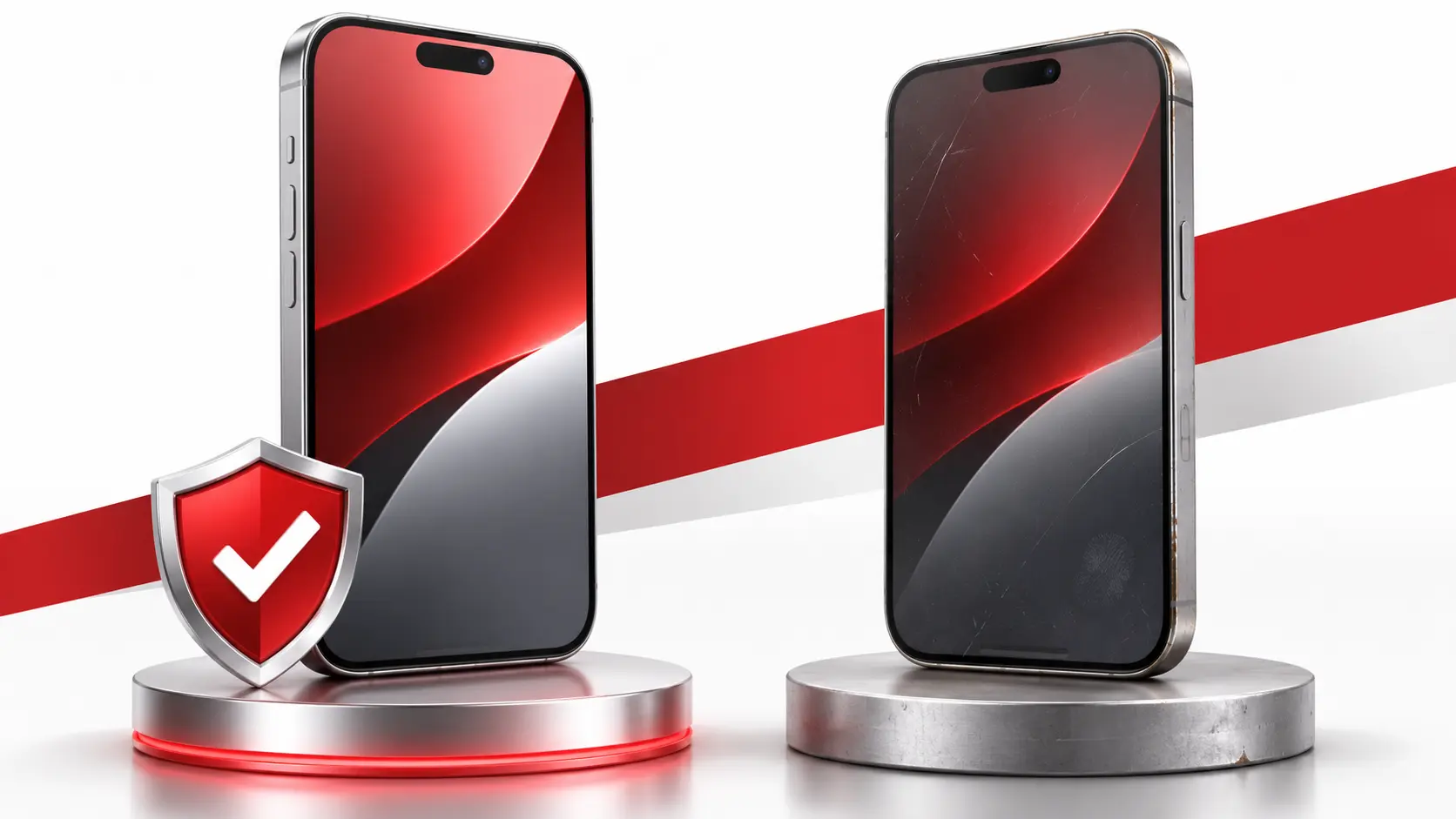
Quick answer: For most buyers, a refurbished iPhone from a reputable seller with a clear warranty and return policy is the safer starting point. A used iPhone from a private seller may cost less, but you need to inspect it more carefully.
This guide explains the differences, compares common U.S. buying options, and shows you seven things to check before purchasing.
What Is a Refurbished iPhone?
A refurbished iPhone is a previously owned or returned device that has gone through some level of inspection, testing, cleaning, or repair before being resold.
Depending on the company, refurbishment may involve:
- Testing the screen, speakers, microphone, and cameras.
- Inspecting the battery and charging system.
- Replacing defective components.
- Cleaning the phone and checking its physical condition.
- Removing previous user data.
- Confirming that the device works as advertised.
However, not all refurbishment programs follow the same standards.
For example, Apple’s own Certified Refurbished program provides a new battery and outer shell for refurbished iOS devices, along with a one-year limited warranty.
A third-party refurbished iPhone may have a used battery and cosmetic wear, even if it has passed functional testing.
That’s why the seller’s actual policies matter more than the word “refurbished” alone.
What Is a Used iPhone?
A used iPhone is a device that has already belonged to someone else and is being sold again.
It may be sold by a private individual, a local phone shop, or an online marketplace seller.
Some used iPhones are in excellent condition. Others have scratched screens, worn batteries, or a history of repairs.
Unlike a phone covered by a documented refurbishment program, a privately sold used iPhone might not have undergone professional testing.
The seller may also offer limited returns or no warranty at all.
That doesn’t automatically make a used iPhone a bad purchase. It simply means the buyer may have to do more of the checking.
Refurbished vs Used iPhone: Key Differences
| Feature | Refurbished iPhone | Used iPhone |
|---|---|---|
| Previous owner | Usually yes | Yes |
| Professional testing | Often included | Not guaranteed |
| Battery replacement | Depends on the program | Usually sold as-is |
| Cosmetic condition | Often graded | Varies by device |
| Warranty | Common with established programs | Depends on seller |
| Return policy | Often available | May be limited |
| Price | Usually higher for comparable devices | Often lower |
| Buyer risk | Depends on refurbisher | Depends heavily on inspection and seller |
Neither label guarantees a perfect device. A poorly refurbished phone can be a worse purchase than a carefully inspected used one.
1. Which Is Better for Battery Health?
Battery condition is one of the most important differences to examine.
Every rechargeable lithium-ion battery loses capacity as it ages. Two iPhones of the same model may therefore deliver noticeably different battery life.
Refurbished iPhone Battery Health
Apple Certified Refurbished iOS devices come with a new battery.
Other refurbishers may keep the original battery if it meets their minimum standards.
For example, Amazon Renewed’s stated battery standards generally require at least 80% capacity relative to new, with higher standards for its Premium program.
That means a refurbished label doesn’t always mean a new battery.
Used iPhone Battery Health
A used iPhone may have anything from a nearly new battery to one that needs replacement.
Before buying, check:
Settings > Battery > Battery Health
On some older models or software versions, the option is named Battery Health & Charging.
Review the maximum capacity and any service recommendations.
As a practical buying preference, a phone with battery health above 90% offers more capacity than an otherwise comparable phone at 80%. But the percentage alone doesn’t reveal every detail about battery performance.
If the battery is heavily worn, factor the possible replacement cost into the total purchase price.
Verdict: Apple Certified Refurbished provides the clearest battery replacement promise. With other refurbished or used iPhones, ask for the actual battery condition.
2. Which Option Offers Better Warranty Protection?
Warranty coverage is another major consideration.
A warranty can provide a route to repair, replacement, or another remedy if a covered defect appears.
However, warranty terms differ significantly between sellers.
Apple Certified Refurbished
Apple includes its standard one-year limited warranty with Certified Refurbished products.
Eligible buyers can also purchase additional AppleCare coverage.
Back Market
Back Market’s U.S. policy provides a 30-day return window and a one-year limited warranty from the seller.
The warranty has exclusions, including certain accidental damage and normal wear.
Amazon Renewed
Amazon Renewed products come with the program’s guarantee, but the exact coverage and return conditions should be verified on the product listing.
Amazon also distinguishes standard Renewed products from Renewed Premium products.
Used iPhones From Private Sellers
A private sale may have no meaningful return protection unless both parties agree to specific terms.
Some retailers also sell used devices with their own warranties, so a used phone isn’t automatically warranty-free.
Verdict: An established refurbishment program usually offers more predictable purchase protection, but always read the actual terms before paying.
3. Which Is Cheaper: Refurbished or Used?
A privately sold used iPhone may have the lowest asking price.
However, price comparisons only make sense when you’re looking at the same:
- iPhone model and generation.
- Storage capacity.
- Carrier lock status.
- Battery condition.
- Cosmetic condition.
- Included accessories.
- Warranty and return coverage.
For example, imagine two otherwise comparable iPhones:
- A used iPhone is listed for $300.
- A refurbished version is listed for $350 and includes a documented warranty and return period.
The $50 difference may be worthwhile if it provides better inspection and practical protection against defects.
On the other hand, if both phones have nearly identical conditions and the used phone can be fully tested before purchase, the cheaper option might be reasonable.
These figures are illustrative, not current market quotes.
Verdict: Used phones can offer greater upfront savings. Refurbished phones may offer better overall value when the extra protection justifies the price.
4. Where Should You Buy a Refurbished iPhone in the US?
There are several established purchasing options in the American market.
Apple Certified Refurbished
Apple’s official refurbished store is a strong choice for buyers who prioritize consistent refurbishment standards.
Its refurbished iOS devices include a new battery, outer shell, and a one-year limited warranty.
The selection can be limited, and the cheapest older iPhone models may not always be available.
Official website: Apple Certified Refurbished
Amazon Renewed
Amazon Renewed provides refurbished and pre-owned devices from participating sellers.
Available cosmetic grades and battery standards differ by product category and program tier.
Check the specific seller, battery condition, return terms, and whether the listing is standard Renewed or Renewed Premium.
Official information: Amazon Renewed
Back Market
Back Market specializes in refurbished technology sold by professional refurbishers.
Its U.S. program advertises a 30-day return period and a one-year seller-provided limited warranty.
Inspect the listing’s cosmetic grade, battery information, and seller terms carefully.
Official website: Back Market
Local Stores and Private Marketplaces
Buying locally can be appealing because you may be able to inspect the actual iPhone before paying.
However, avoid buying a device you cannot activate or properly test.
A low price is not worth the risk of receiving a phone with Activation Lock or serious hardware problems.
5. Seven Things to Check Before Buying Any Used or Refurbished iPhone
Apple provides official guidance for inspecting pre-owned iPhones.
These are seven particularly important checks for buyers in the United States.
Check 1: Make Sure Activation Lock Is Removed
This is one of the most important steps.
Activation Lock is designed to prevent someone else from using an iPhone that remains associated with the previous owner’s Apple Account.
If the screen displays iPhone Locked to Owner, ask the seller to remove Activation Lock properly.
If they cannot, do not buy the device.
For online purchases, return a device that arrives with an unresolved Activation Lock.
Check 2: Verify the Carrier Lock Status
An iPhone may be locked to AT&T, Verizon, T-Mobile, or another wireless provider.
Open:
Settings > General > About > Carrier Lock
If the phone displays No SIM restrictions, it is unlocked.
If it displays a carrier restriction, confirm whether the phone will work with your intended service provider.
An unlocked phone must still be compatible with the carrier’s network.
For more information, read our guide, How to Check If Your Phone Is Unlocked Before Switching Carriers.
Check 3: Examine Battery Health
Review the device’s battery health information and any service warnings.
If a seller advertises a particular battery capacity, ask for documentation or verify it in the device settings where possible.
Also check whether the battery has been replaced and whether the phone reports an issue with the installed part.
Check 4: Check Parts and Service History
On supported iPhones, open:
Settings > General > About
If available, review Parts and Service History.
This section can show information about certain replaced components.
Messages such as Genuine, Used, or Unknown provide information about a device’s repair history. Their availability and meaning depend on the model and iOS version.
An Unknown message deserves further investigation; it does not by itself tell you everything about the quality of a repair.
Check 5: Test the Screen, Cameras, and Speakers
Before purchasing in person, test the major features.
- Adjust the screen brightness.
- Try the touchscreen across different areas.
- Take pictures with the available cameras.
- Record a short video.
- Play sound through the speakers.
- Record your voice using Voice Memos.
- Test the buttons and charging connection.
Pay attention to unexpected shutdowns, screen damage, distorted audio, or charging problems.
Check 6: Verify the IMEI and Activation Compatibility
Ask the seller for the IMEI and verify the device using trusted carrier tools.
Your new carrier may use the IMEI to confirm whether the device is eligible for activation on its network.
Do not assume that a carrier-unlocked phone is automatically compatible with every U.S. cellular provider.
Also ask about outstanding financing or a reported lost-or-stolen status, as these can create activation problems.
Avoid unfamiliar websites that promise to remove blacklists or bypass device protections.
Check 7: Understand the Return Policy
Before paying, confirm:
- How many days you have to return the phone.
- Whether returns are permitted for defects.
- Whether the seller charges return shipping or restocking fees.
- Which problems are covered by the warranty.
- Who handles repairs or replacements.
Keep your receipt and a copy of the listing description.
When the phone arrives, inspect it promptly while the return period is still open.
6. Don’t Forget About eSIM Compatibility
This is especially important for American buyers.
Apple states that U.S.-purchased iPhone 14 and later models use eSIM rather than a physical SIM card.
If you’re moving from an older phone with a removable SIM, you may need to transfer or activate your number digitally.
Before buying, make sure:
- The phone supports your carrier.
- The carrier can activate its eSIM.
- The device isn’t restricted to another provider.
- Your existing number can be transferred when required.
You can learn more in our article, eSIM vs Physical SIM in 2026: Which Is Better for Your Smartphone?
7. Which Should You Buy in 2026?
There isn’t one perfect option for everyone.
Choose a Refurbished iPhone If:
You want a more predictable buying process, a documented inspection standard, and a clear warranty or return policy.
It’s particularly attractive when the price difference compared with a private sale is relatively small.
Choose a Used iPhone If:
You’re comfortable checking device condition, can verify Activation Lock and carrier compatibility, and are getting a meaningful discount.
Buying from someone you know or from a reputable local store can make inspection easier, but you should still test the phone.
Consider Buying New If:
The refurbished price is too close to the cost of a new phone, or you want the full combination of new hardware, battery, and standard retail protections.
Compare the total cost rather than focusing only on the advertised discount.
Frequently Asked Questions
Is a refurbished iPhone as good as a new one?
It depends on the refurbishment program. Apple Certified Refurbished iOS devices receive a new battery and outer shell, but third-party refurbished phones may retain used components and cosmetic wear.
Is it safe to buy a refurbished iPhone from Amazon?
It can be a reasonable choice when the product comes from a reputable participating seller and has clearly documented coverage. Check the specific listing, battery standard, and return policy.
Is 80% battery health good for a used iPhone?
A battery at 80% maximum capacity has noticeably less capacity than it did when new. It may still function, but buyers should consider battery life expectations and possible replacement costs.
Can a refurbished iPhone be carrier-locked?
Yes. Refurbished does not automatically mean unlocked. Confirm that the listing says unlocked and verify the status whenever possible.
Do refurbished iPhones have original Apple parts?
Not necessarily. Apple Certified Refurbished uses genuine Apple replacement parts as needed, but third-party refurbishment programs may have different parts policies.
Can a used iPhone still receive iOS updates?
Yes, if the model is supported by the relevant iOS release. Check software compatibility for the exact model before buying, especially if it is several generations old.
What is the biggest risk when buying a used iPhone?
Activation Lock, network restrictions, undisclosed defects, and poor battery condition are important risks. A lack of return protection can make these problems more costly.
Final Verdict: Refurbished vs Used iPhone
For most American shoppers who want to save money without taking on unnecessary risk, a refurbished iPhone from a reputable seller with a clear warranty is the better starting point.
But that doesn’t mean every refurbished phone is a good deal.
Compare the battery condition, carrier compatibility, repair history, return policy, and final price before purchasing.
A well-maintained used iPhone can still be an excellent value, especially when you can inspect it thoroughly and the discount is substantial.
The best choice isn’t simply the cheapest iPhone. It’s the one that offers the right combination of condition, reliability, protection, and price.
For more practical smartphone buying advice and comparisons, explore the Reviews section at PocketTechGuide.com.